Politics might seem like a game of chess played by people in suits, but it’s so much more than that. It’s the art of making decisions that affect everyone, from the coffee shop owner down the street to the President of the United States. Imagine a world where every voice matters and every vote counts—sounds like a dream, right? But in reality, it’s a messy, chaotic dance where the stakes are high and the players are unpredictable.
Understanding Politics Def
Politics involves the process through which groups make collective decisions. It encompasses various activities, policies, and behaviors that direct governance and societal organization.
Definition of Politics
Politics refers to the methods and practices used to distribute power and authority within a community. Scholars define it through concepts like governance, debate, and power dynamics. It includes formal institutions like governments and informal entities such as interest groups. Political decision-making shapes laws, regulations, and social norms. Societies organize their relationships and create systems to manage conflicts and resources through political processes.
Importance of Politics in Society
Politics plays a critical role in shaping social behavior and public policy. It influences daily life through laws that affect education, healthcare, and public safety. Engaging in political processes ensures that voices in the community are acknowledged and represented. Furthermore, understanding politics fosters civic responsibility and active participation in democratic systems. Citizen involvement can lead to social change and improved governance, effectively addressing issues like inequality and justice.
Key Concepts of Politics Def
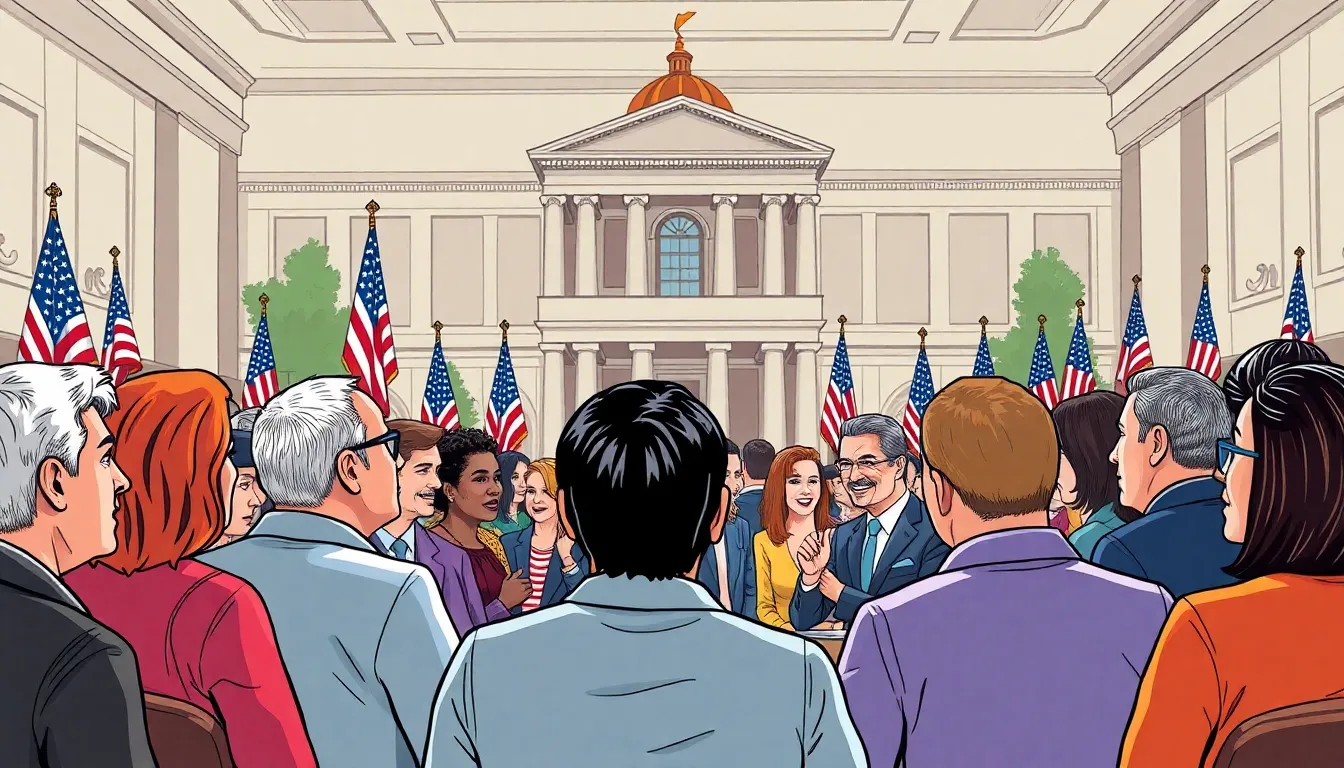
Understanding key concepts in politics offers insight into how decisions shape society. Central components include power dynamics and political institutions.
Power Dynamics
Power dynamics play a crucial role in political interactions. Leaders and citizens negotiate authority, resources, and influence. Social hierarchies often dictate access to power. Political entities compete for control, leading to alliances and conflicts. In democratic systems, public opinion can shift power, reflecting the electorate’s values and needs. Constituencies advocate for specific interests, balancing influence among various groups. Recognizing power relations helps to navigate political landscapes effectively.
Political Institutions
Political institutions form the backbone of governance. They establish rules and structures guiding political activity. Constitutions, legislatures, and courts are foundational components. Each institution serves a distinct function, from enacting laws to interpreting them. Political parties mobilize voters and organize electoral processes. Bureaucracies implement government policies, ensuring continuity and order. These institutions collectively shape political behavior, defining how society organizes resources and resolves conflicts effectively. They play a key role in facilitating citizen engagement in democratic practices.
The Role of Politics in Governance
Politics serves as the framework through which governance operates. It encompasses various mechanisms vital for organizing society and making collective decisions.
Types of Governance
Governance manifests in several forms, each suited to specific societal needs. Democratic governance prioritizes citizen participation, often exemplified by free elections and civil liberties. Authoritarian governance centralizes power, limiting political freedom and dissent. Federal systems divide authority between national and regional governments, promoting localized decision-making. In contrast, unitary systems concentrate authority at the national level, streamlining policy implementation. Each type plays a crucial role in shaping political landscapes and influencing public life.
Political Theories and Ideologies
Political theories and ideologies provide the foundation for understanding governance. Liberalism emphasizes individual freedoms and equal rights, advocating for democratic principles. Conservatism values tradition and social stability, often resisting rapid change. Socialism seeks equitable distribution of resources, focusing on social welfare and collective ownership. Furthermore, feminism addresses gender equality, challenging traditional power structures. Each ideology contributes to the broader dialogue on governance, reflecting varying perspectives on power, rights, and responsibilities within society.
Politics is an intricate web of decision-making that influences every aspect of society. It shapes the laws that govern daily life and reflects the values of the electorate. Understanding the dynamics of power and the role of political institutions is essential for fostering active participation in democratic processes.
Engaging in politics not only empowers individuals but also promotes social change and addresses pressing issues. As citizens navigate the political landscape, their involvement can lead to a more equitable and just society. Ultimately, the essence of politics lies in its ability to bring people together to forge a collective path forward.