In a world where women juggle careers, family, and personal lives like pros, the role of a women’s health nurse practitioner is nothing short of superhero status. These skilled professionals are the trusted allies women turn to for everything from routine check-ups to more complex health concerns. Imagine having a healthcare provider who not only understands the unique challenges women face but also knows how to tackle them with a blend of expertise and humor.
Women’s health nurse practitioners are here to empower, educate, and occasionally crack a joke to lighten the mood. They’re not just about prescriptions and procedures; they’re about building relationships and fostering a sense of community. So, whether it’s navigating menopause or managing reproductive health, these practitioners are dedicated to ensuring women feel heard, supported, and ready to conquer the world—one appointment at a time.
Overview of Women Health Nurse Practitioners
Women health nurse practitioners serve as vital resources for women’s health, focusing on a broad spectrum of healthcare needs. Their expertise spans from preventive care to complex health management.
Role and Responsibilities
Women health nurse practitioners conduct routine check-ups, provide prenatal care, and offer guidance on menopause management. They diagnose and treat common health issues, including reproductive health concerns and chronic conditions. Health education forms a core part of their role, equipping women with knowledge about their bodies and health options. Establishing strong relationships with patients helps ensure personalized care and ongoing health support. They also collaborate with other healthcare professionals to coordinate comprehensive care tailored to each woman’s needs.
Importance in Healthcare
The importance of women health nurse practitioners in healthcare cannot be overstated. They address unique health challenges faced by women, ensuring access to specialized care. By focusing on preventive measures, they significantly reduce the incidence of serious health issues. These practitioners empower women through education, promoting informed health choices. Their presence fosters a supportive environment where women can discuss sensitive topics openly. Improved health outcomes result from their commitment to delivering patient-centered care and advocating for women’s health rights.
Education and Training Requirements
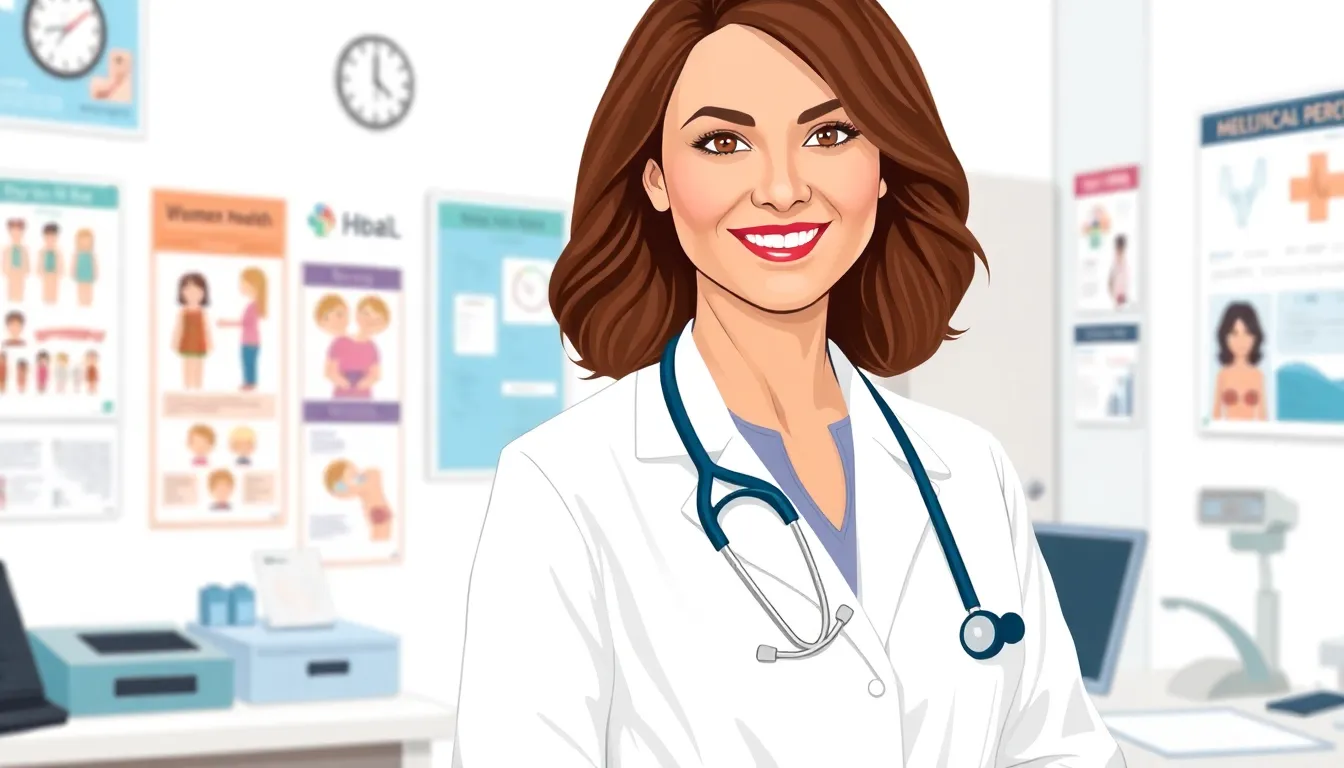
Women health nurse practitioners require specific education and training to effectively address women’s unique healthcare needs. Academic pathways and certifications play crucial roles in preparing these professionals for their roles.
Academic Pathways
Aspiring women health nurse practitioners typically pursue a Bachelor of Science in Nursing (BSN) degree. After obtaining a BSN, candidates often enroll in a Master of Science in Nursing (MSN) program with a focus on women’s health. Some choose to pursue Doctor of Nursing Practice (DNP) degrees for advanced knowledge and skills. Coursework includes subjects like women’s health, anatomy, and pharmacology. Clinical practicums provide hands-on experience under supervision, ensuring students are well-prepared for real-world challenges.
Certifications and Licensure
Upon completing their education, women health nurse practitioners must obtain national certification. They can achieve certification through organizations like the National Certification Corporation (NCC) or the American Academy of Nurse Practitioners (AANP). Each state requires licensure to practice, which includes passing national certification exams. Continuing education is essential to maintain certifications and licensure. Ongoing training keeps practitioners updated on guidelines and innovations in women’s health care.
Key Skills and Competencies
Women health nurse practitioners require a blend of clinical and interpersonal skills to address the unique healthcare needs of women effectively.
Clinical Skills
Clinical skills include performing physical examinations, diagnosing health conditions, developing treatment plans, and prescribing medications. These practitioners must possess expertise in reproductive health, prenatal care, and menopause management. Familiarity with medical technology enhances their ability to deliver accurate diagnoses. Mastery of preventive care practices ensures early detection of potential health issues. Additionally, working collaboratively with other healthcare professionals optimizes patient outcomes and promotes comprehensive care.
Interpersonal Skills
Interpersonal skills foster strong relationships with patients. Effective communication plays a crucial role in understanding patient concerns and providing education about health issues. Empathy allows practitioners to connect with patients, creating a supportive environment where women feel valued and heard. Active listening ensures that patients’ needs are prioritized and addressed. Building trust encourages open dialogue about sensitive topics, leading to improved health literacy and informed decision-making.
Areas of Specialization
Women health nurse practitioners specialize in a variety of areas to meet the diverse needs of their patients. These areas include reproductive health and menopause management, crucial for providing comprehensive care.
Reproductive Health
Reproductive health encompasses a broad range of services, including annual exams, screenings, and contraceptive counseling. These practitioners guide women through family planning options, ensuring informed choices about reproductive health. They diagnose and treat conditions such as polycystic ovary syndrome (PCOS) and endometriosis, addressing both physical and emotional aspects. Providing education on sexually transmitted infections (STIs) and safe practices stands as a critical part of their role. Through open discussions, women feel empowered to voice concerns and seek support, which ultimately enhances their overall well-being.
Menopause Management
Menopause management involves guiding women through the physical and emotional changes associated with this life transition. Practitioners offer personalized treatment plans that may include hormone replacement therapy (HRT) and alternative therapies to alleviate symptoms like hot flashes and mood swings. They also educate women about long-term health implications, such as bone density and heart health. By fostering a supportive atmosphere, practitioners encourage discussions about lifestyle changes that can ease discomfort during menopause. Patients benefit from a tailored approach that addresses both symptoms and overall health, promoting a smoother transition into later life.
Challenges and Opportunities
Women health nurse practitioners face a variety of challenges while providing essential healthcare services. Maintaining work-life balance remains a significant hurdle, as practitioners often juggle demanding schedules along with personal responsibilities. Access to care can also present difficulties, particularly in rural areas where women may struggle to find specialized practitioners. These professionals encounter financial constraints that affect both patient affordability and their practice sustainability. Additionally, they must navigate ongoing changes in healthcare policies, requiring adaptability and continuous education to provide optimal care.
Future opportunities abound in women’s health nursing, driven by a growing emphasis on preventive care and comprehensive approaches to health management. Expansion of telehealth services offers convenient options for women seeking healthcare, particularly for routine check-ups and follow-up visits. Increased recognition of women’s unique health issues propels demand for knowledgeable practitioners who can advocate for improved healthcare policies. Collaborations between women health nurse practitioners and community organizations can further enhance women’s health education and outreach. As healthcare technology evolves, integrating innovative tools can lead to enhanced patient engagement and tailored care solutions.
Women health nurse practitioners play an indispensable role in the healthcare landscape. Their expertise in addressing the unique health needs of women fosters a supportive environment for patients navigating various life stages. By combining clinical skills with compassionate care, they empower women to make informed health decisions.
As they adapt to the evolving healthcare landscape, these practitioners continue to be vital advocates for women’s health. Their commitment to education and personalized care not only enhances health outcomes but also strengthens the community of women they serve. The future looks bright for women health nurse practitioners as they rise to meet the challenges and opportunities ahead.