Politics can feel like a never-ending circus, complete with clowns, acrobats, and the occasional lion tamer. But behind the spectacle lies a world of serious political causes that shape societies and influence lives. From climate change to social justice, these movements rally people to action, sparking conversations and igniting passions.
Understanding these causes isn’t just for the politically savvy; it’s for everyone who wants to make a difference. Whether you’re a seasoned activist or just dipping your toes into the political pool, knowing the driving forces behind these movements can empower you to join the conversation. So grab your popcorn, because diving into the realm of political causes is as entertaining as it is enlightening.
Overview of Political Causes
Political causes encompass a variety of movements aimed at fostering change within society. Climate change represents a pressing issue that affects all aspects of life, from health to economics. Social justice, another significant cause, focuses on ensuring fair treatment and equal rights for all individuals, regardless of their background.
Activism plays a critical role in raising awareness about these causes. Through protests, social media campaigns, and community organizing, activists motivate individuals to participate in essential discussions. Understanding the nuances of these movements can enhance public engagement and drive policy changes.
Human rights advocacy remains central to several political causes. Organizations dedicated to this cause work to protect individuals against discrimination and violence. The push for gender equality exemplifies how political causes intersect, advocating for both women’s rights and broader societal equity.
Public policy influences political causes significantly. Legislative efforts aimed at addressing climate change and enhancing social justice reflect collective priorities. As citizens engage with their representatives, they can advocate for policies that resonate with their values.
Collective action defines the landscape of political movements. Grassroots initiatives often emerge from local communities and spread to larger audiences. Individuals participating in these efforts can create a ripple effect, leading to substantive societal changes.
Finally, political causes often adapt to reflect societal needs and challenges. With the dynamic nature of global issues, activists continually modify their strategies. Fostering awareness of these political causes empowers individuals to engage meaningfully and contribute to ongoing conversations.
Historical Context of Political Causes
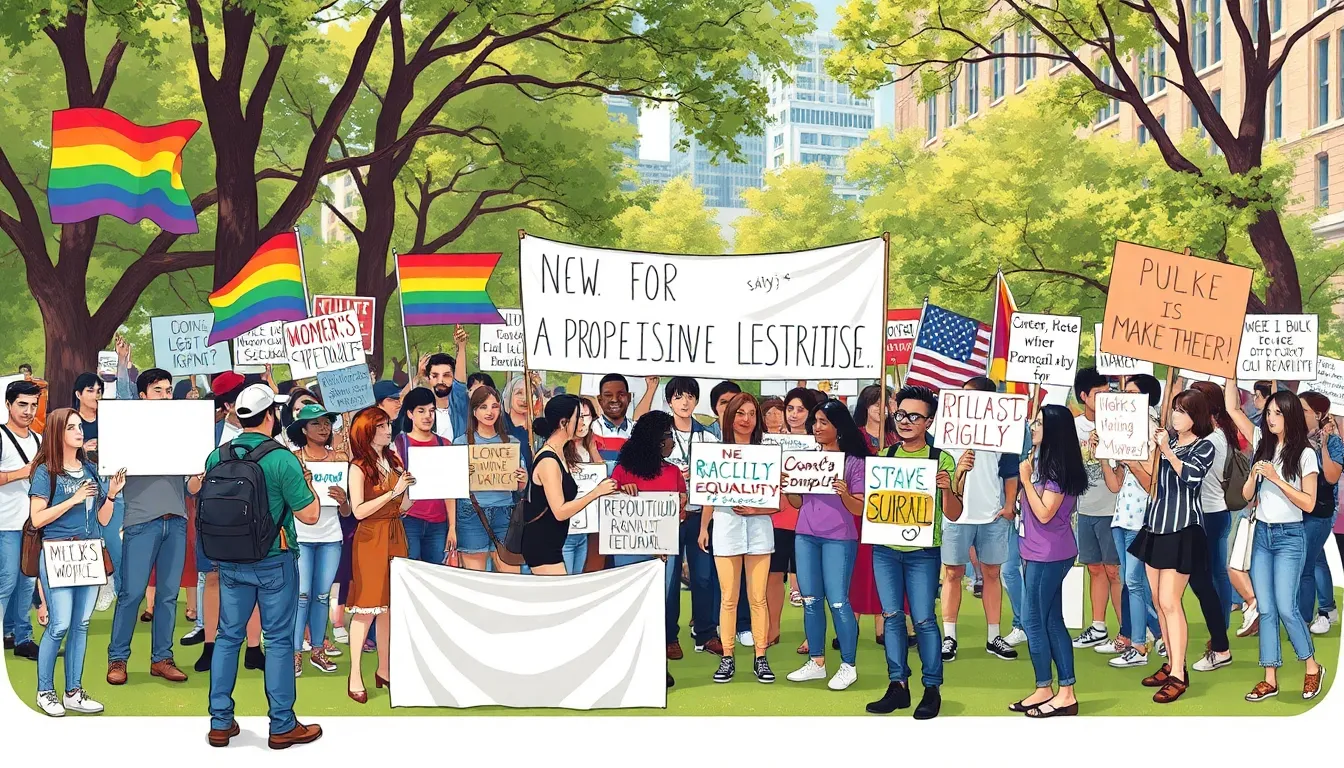
Historical events significantly influence political causes. Key moments often ignite movements, prompting societal discussions and action.
Key Events That Shaped Political Causes
The abolition of slavery in the 19th century marked a pivotal point in human rights activism. This period laid the groundwork for future movements focused on equality. The Civil Rights Movement of the 1960s highlighted racial injustices, galvanizing nationwide change. Women’s suffrage fights, culminating in the 19th Amendment in 1920, emphasized women’s rights as an essential political cause. Events like the Stonewall Riots of 1969 solidified LGBTQ+ activism, challenging societal norms. Each of these events reflects how historical context shapes and propels contemporary political causes.
Influential Movements in Political Causes
The environmental movement has gained momentum since the establishment of Earth Day in 1970. This annual event fosters awareness about climate change and ecological issues. The LGBTQ+ rights movement, particularly since the 1980s, advocates for equal rights and representation. Additionally, the feminist movement continues to challenge gender discrimination, promoting policies for equity. Black Lives Matter emerged in response to racial injustices, emphasizing social justice in the modern context. Each movement underscores the dynamic nature of political causes, responding to societal shifts and challenges.
Types of Political Causes
Political causes encompass a variety of movements aimed at promoting social change and addressing pressing issues. Understanding these categories enhances engagement in important discussions.
Social Justice and Human Rights
Social justice movements focus on equality and fairness within society. Advocacy for marginalized groups drives these initiatives. Activists promote rights for women, LGBTQ+ communities, and racial minorities. Significant events, like the Civil Rights Movement, illustrate the ongoing struggle against discrimination. Human rights agencies also work globally to uphold fundamental freedoms. Progress in this area often reveals the interconnectedness of various societal issues.
Environmental Issues
Environmental movements prioritize the health of the planet and its inhabitants. Concerns about climate change, pollution, and natural resource depletion motivate activism. Groups advocate for sustainable practices and policies to combat these pressing challenges. Legislative measures like the Green New Deal reflect growing public consciousness. Action taken by individuals and organizations plays a pivotal role in raising awareness. Global collaboration is essential for addressing environmental crises effectively.
Economic Inequality
Economic inequality remains a critical focus of political causes. Disparities in wealth and access to resources foster discontent and unrest. Movements highlight issues related to living wages, corporate taxation, and healthcare accessibility. Grassroots initiatives often aim to uplift those affected by poverty. Influential organizations advocate for fair economic policies on a national level. Addressing economic injustice requires collective action and persistent dialogue among all stakeholders.
The Role of Activism in Political Causes
Activism plays a vital role in driving political causes forward. People engage in various forms of activism to raise awareness and ignite change in their communities.
Grassroots Movements
Grassroots movements reflect the power of community-led initiatives. Individuals can mobilize local support to address pressing societal issues. Local organizations often spearhead these movements, bringing together diverse groups. Participants in grassroots efforts cultivate a sense of ownership and responsibility. They commonly utilize public demonstrations, petitions, and community meetings to galvanize their efforts. Notable examples include the Civil Rights Movement and recent climate strikes, showcasing how ordinary citizens spark significant change.
Digital Activism
Digital activism harnesses the reach of technology to amplify messages. Online platforms facilitate rapid communication and engagement among supporters. Campaigns on social media raise awareness and rally supporters across the globe. Activists can quickly share information about critical issues like systemic racism and environmental degradation. Tools such as hashtags and viral videos dramatically increase visibility. Movements like #MeToo and Black Lives Matter illustrate the effectiveness of digital activism in mobilizing public support and fostering dialogue.
Political causes are vital to shaping a just and equitable society. They inspire individuals to take action and engage in conversations that matter. Understanding these movements not only fosters awareness but also empowers people to contribute meaningfully to societal change.
As activism evolves and adapts to current challenges, it remains crucial for everyone to stay informed and involved. By recognizing the interconnectedness of social justice, environmental issues, and economic inequality, individuals can better appreciate the complexity of today’s political landscape. This engagement is essential for driving progress and ensuring that collective voices are heard in the ongoing pursuit of a better world.