Table of Contents
ToggleConflict is as inevitable as that one relative at family gatherings who insists on discussing politics. Yet, navigating disagreements doesn’t have to feel like an Olympic sport. Conflict resolution skills are the secret sauce that can turn heated debates into productive conversations, saving relationships and sanity alike.
Understanding Conflict Resolution Skills
Conflict resolution skills encompass the abilities and techniques individuals use to manage disagreements. Mastering these skills promotes healthier communication and effective problem-solving.
Definition of Conflict Resolution Skills
Conflict resolution skills refer to specific abilities that enable individuals to effectively address and settle disagreements. These skills include active listening, empathy, negotiation, and mediation strategies. Practicing such skills encourages collaboration and understanding, allowing parties to focus on solutions rather than dwelling on problems. Through these methodologies, individuals can navigate challenges while maintaining respect for different viewpoints.
Importance of Conflict Resolution Skills
Conflict resolution skills hold significant importance in personal and professional relationships. They help individuals reduce stress and anxiety associated with disputes. Effective use of these skills leads to improved communication, fostering an environment of collaboration. Additionally, strong conflict resolution skills support teamwork and enhance productivity by minimizing misunderstandings. Ultimately, these skills contribute to lasting relationships and a positive atmosphere, making them essential for everyone.
Types of Conflict Resolution Skills
Several conflict resolution skills can significantly enhance interpersonal interactions. Understanding these skills helps individuals navigate disagreements effectively.
Active Listening
Active listening engages one fully in the conversation. It requires focusing on the speaker without interrupting. Responding thoughtfully fosters trust and respects differing viewpoints. Paraphrasing what the other person says demonstrates genuine engagement. Furthermore, asking open-ended questions encourages deeper dialogue. Active listening not only clarifies misunderstandings but also validates feelings. This skill serves as a foundation for constructive discussions. By practicing active listening, individuals can reduce the intensity of conflicts and promote understanding.
Empathy
Empathy involves recognizing and validating another person’s emotions. It allows individuals to see conflicts from others’ perspectives. Acknowledging feelings can defuse tension and create an atmosphere of cooperation. Responding with understanding rather than defensiveness strengthens relationships. Moreover, empathizing helps individuals connect on a human level, making it easier to find common ground. Practicing empathy can transform hostile interactions into collaborative problem-solving opportunities. This essential skill creates supportive environments, encouraging open communication.
Negotiation Skills
Negotiation skills focus on finding mutually beneficial outcomes. Effective negotiators understand the importance of preparation and strategy. They identify shared interests and potential compromises. Approaching discussions with a collaborative mindset fosters a sense of teamwork. Additionally, remaining calm during negotiations allows for clearer thinking and better decision-making. Practicing active problem-solving leads to agreements that satisfy all parties involved. Strong negotiation skills enhance relationships by promoting respect and understanding. Mastering this skill empowers individuals to manage disputes productively.
Techniques for Developing Conflict Resolution Skills
Developing conflict resolution skills involves practical techniques that enhance communication and understanding in challenging situations.
Role-Playing Scenarios
Role-playing scenarios offer a dynamic way to practice conflict resolution. Participants assume different perspectives, which helps them understand various viewpoints. This technique fosters empathy and improves problem-solving abilities. Engaging in these scenarios allows individuals to experiment with strategies in a safe environment. They can experience the impact of their responses and refine their skills accordingly. Practicing conflicts relevant to real-life situations makes this technique particularly effective. In structured settings, role-playing encourages constructive feedback, further enhancing one’s ability to navigate disagreements.
Communication Workshops
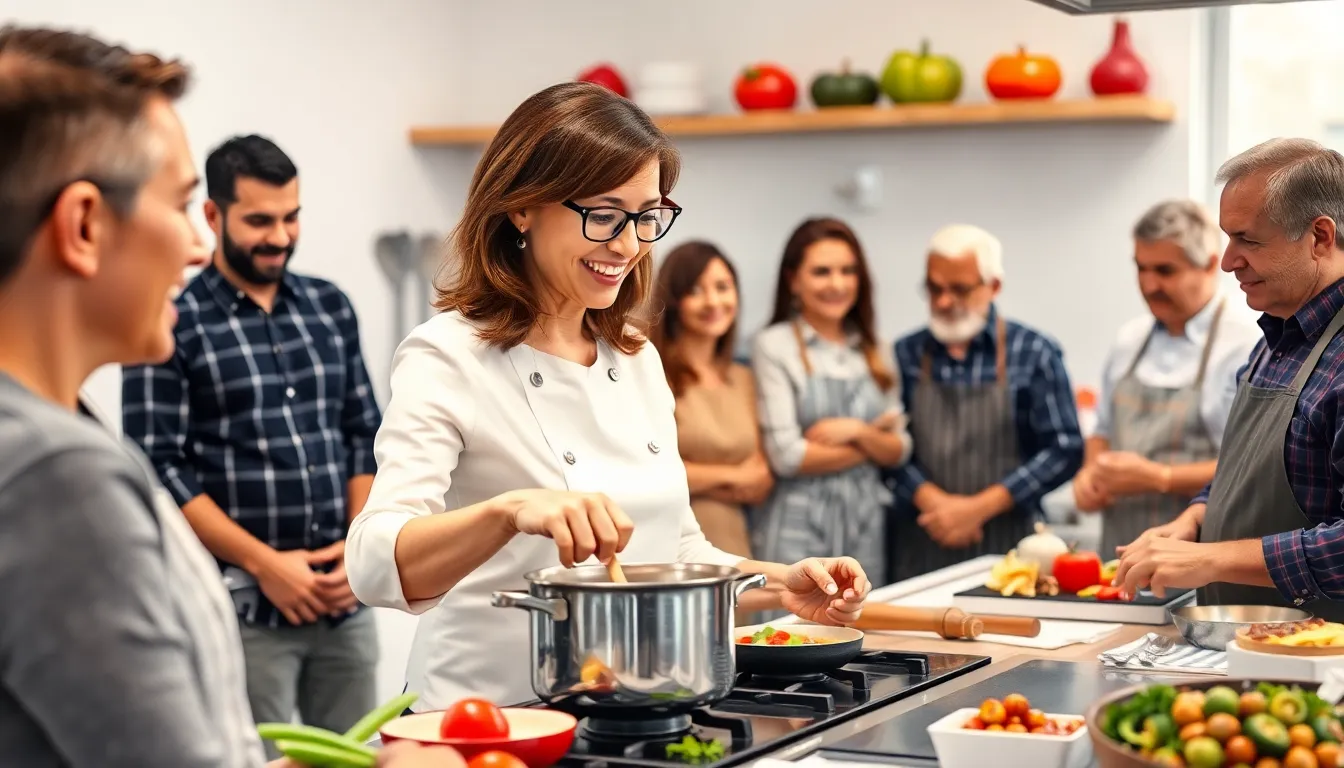
Communication workshops provide structured opportunities to build conflict resolution skills. Participants learn essential techniques like active listening, effective questioning, and non-verbal cues. Workshops often include interactive activities that promote real-time practice and engagement. Through group discussions, individuals can explore different conflict scenarios and share insights. Learning from experienced facilitators adds valuable perspectives to skill development. Participants leave with actionable strategies to apply in their relationships. Overall, these workshops play a crucial role in fostering healthier communication patterns and enhancing interpersonal dynamics.
Real-World Applications of Conflict Resolution Skills
Conflict resolution skills find significant applications in various aspects of life. Individuals benefit immensely from enhancing these abilities.
Personal Relationships
In personal relationships, effective conflict resolution skills foster deeper connections. Active listening allows partners to express their feelings without interruption. Empathy plays a crucial role in understanding each other’s perspectives. Validation of emotions leads to a calmer discussion atmosphere. Individuals can negotiate solutions that satisfy both parties, promoting collaboration. Positive communication strengthens bonds, redressing misunderstandings. Friends and family members use these skills to resolve disputes amicably, reinforcing trust and respect.
Workplace Dynamics
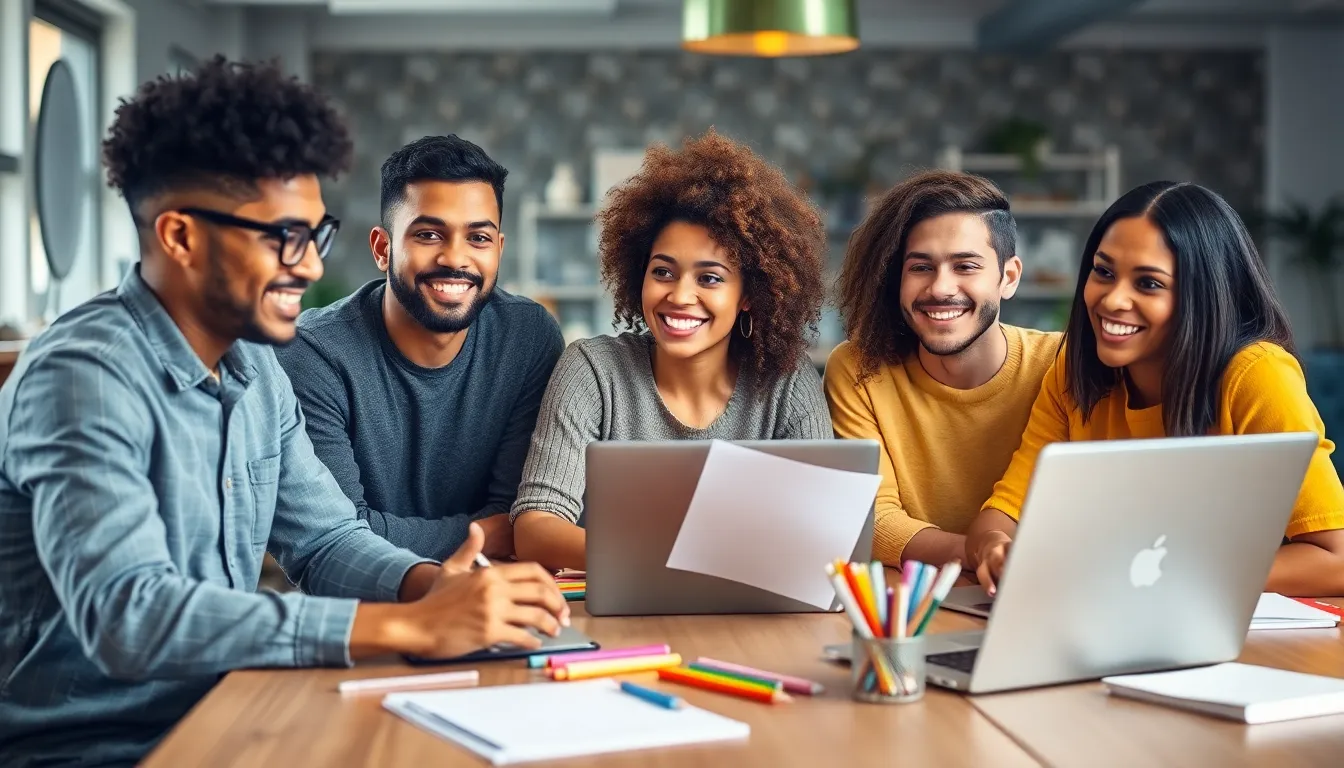
Workplace dynamics require proficient conflict resolution skills to maintain harmony. Employees practice active listening during team discussions, ensuring everyone’s voice is heard. A culture of empathy encourages colleagues to consider diverse viewpoints, enhancing teamwork. Negotiation skills become instrumental in reaching compromises on project strategies. Clarity in communication helps to prevent misunderstandings that might escalate into conflicts. Organizations that prioritize these skills often experience an increase in productivity and morale. Healthy conflict resolution practices create a collaborative environment, fostering innovation and success.
Mastering conflict resolution skills is essential for fostering healthier relationships and a positive environment. By embracing techniques like active listening and empathy individuals can navigate disagreements more effectively. This not only reduces stress but also enhances communication and collaboration in both personal and professional settings.
Investing time in developing these skills can lead to more productive interactions and a greater sense of well-being. As conflicts arise, those equipped with strong resolution skills will find it easier to transform challenges into opportunities for growth and understanding. Ultimately, prioritizing conflict resolution enriches connections and contributes to a more harmonious atmosphere in all areas of life.